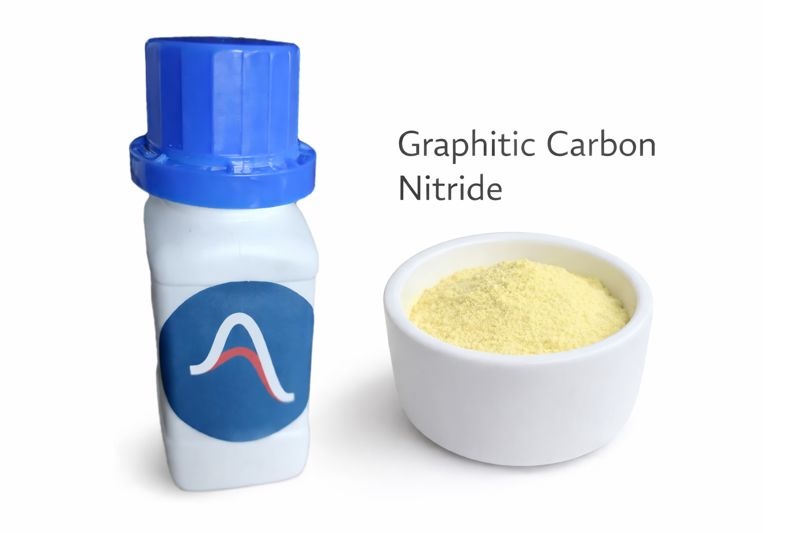
We are pleased to highlight a recent peer-reviewed publication in Materials Chemistry Frontiers demonstrating how graphitic carbon nitride (C₃N₄)–based materials supplied by C2CAT can be successfully integrated into 3D-printed functional structures for photo-, electro-chemical, and piezoelectric applications.
The study, “3D printed C₃N₄-based structures for photo-, electro-chemical and piezoelectric applications,” showcases how carefully designed C₃N₄ materials can be processed into complex geometries while retaining their functional properties — an important step toward scalable and application-ready catalytic and functional devices.
Why C₃N₄ Matters
Graphitic carbon nitride (C₃N₄) is a metal-free, visible-light-active semiconductor that has attracted significant attention for applications in:
- Photocatalysis
- Electrochemical processes
- Environmental remediation
- Energy conversion and sensing
Its chemical stability, tunable electronic structure, and sustainability profile make it an attractive alternative to metal-based catalysts. However, translating C₃N₄ from powder form into structured, device-ready materials remains a key challenge.
C2CAT’s Role: From Material Design to Functional Structures
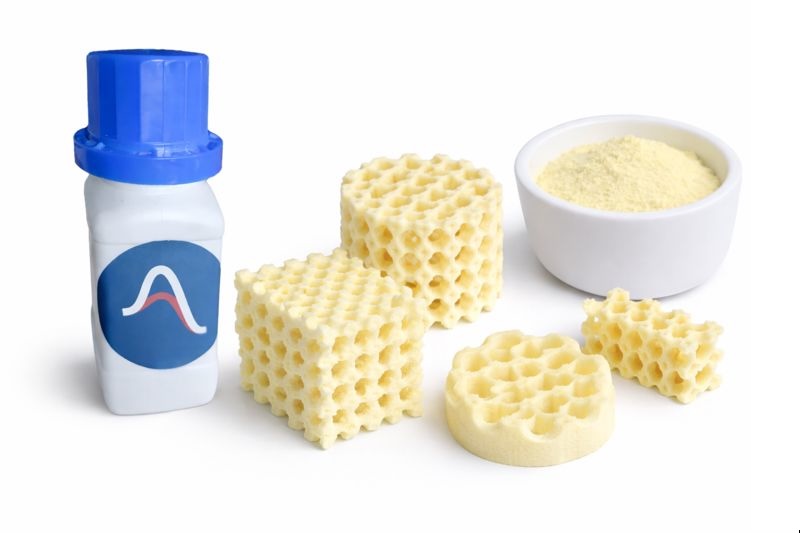
In this work, C2CAT’s C₃N₄ material was used as the functional active component in polymer-based composites designed for additive manufacturing. The material was formulated into printable inks and resins compatible with two advanced 3D printing techniques:
- Direct Ink Writing (DIW)
- Digital Light Processing (DLP)
The ability of C2CAT’s C₃N₄ to maintain activity and structural integrity during formulation and printing was critical to the success of the study. This highlights the importance of materials engineered not only for performance, but also for processability.
Performance Highlights
The 3D-printed C₃N₄-based structures demonstrated promising functional performance across multiple test scenarios, including:
- Photocatalytic degradation of pollutants, with DIW-printed C₃N₄/polysulfone composites achieving up to ~71% removal efficiency
- DLP-printed structures reaching ~63% degradation efficiency
- Piezoelectric-assisted chemical degradation, enabled by the intrinsic properties of the printed composites
Advanced characterisation confirmed that the printed structures retained the functional characteristics of C₃N₄, demonstrating that additive manufacturing can be a viable route to structured, multifunctional catalytic materials.
Why This Is Important
This work illustrates how C2CAT’s C₃N₄ materials can be integrated into advanced manufacturing workflows, enabling:
- Custom-designed geometries for improved light and mass transport
- Structured catalytic components instead of loose powders
- New opportunities for reactor integration and device-level applications
Such developments are essential for moving from laboratory-scale demonstrations toward practical energy and environmental technologies.
Looking Ahead
The successful use of C2CAT’s C₃N₄ material in this study underlines our focus on materials that combine performance, robustness, and process compatibility. As additive manufacturing continues to mature, we see strong potential for C₃N₄-based systems in areas such as:
- Photocatalytic reactors
- Electrochemical devices
- Hybrid catalytic and sensing platforms
We are proud to see C2CAT materials contributing to cutting-edge research and look forward to further collaborations that bridge materials design, processing, and application.
Read the full article
3D printed C₃N₄-based structures for photo-, electro-chemical and piezoelectric applications
📖 Materials Chemistry Frontiers (RSC)
👉 https://pubs.rsc.org/en/content/articlelanding/2025/qm/d5qm00290g
Interested in this material? Order it here.